Our goals are aligned with the UAE Energy Strategy 2025 and the UAE Environment Policy, helping the nation fulfill its clean energy targets and transform waste-related challenges into development opportunities.
We aim to:
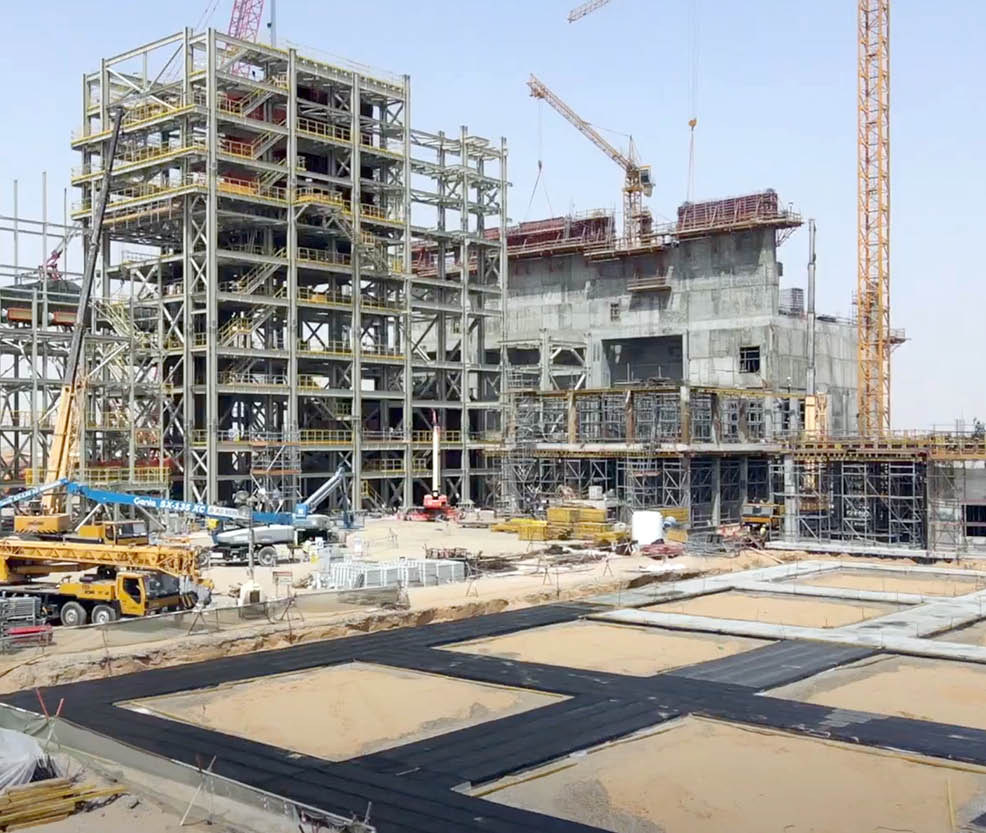
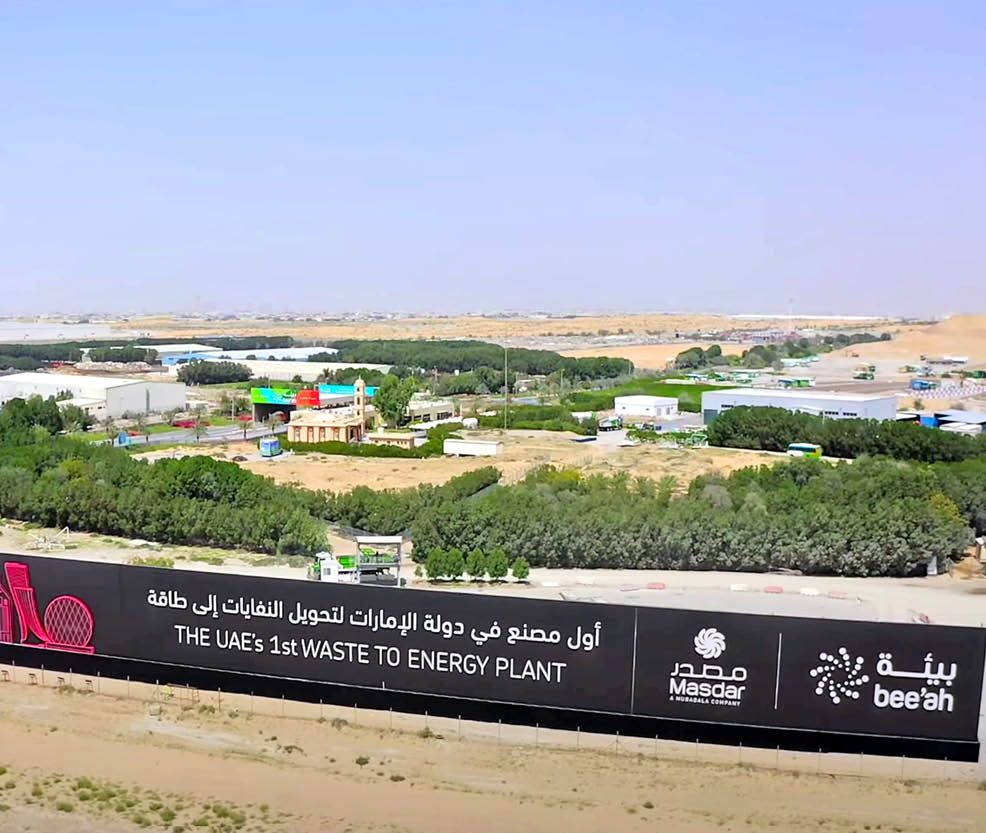
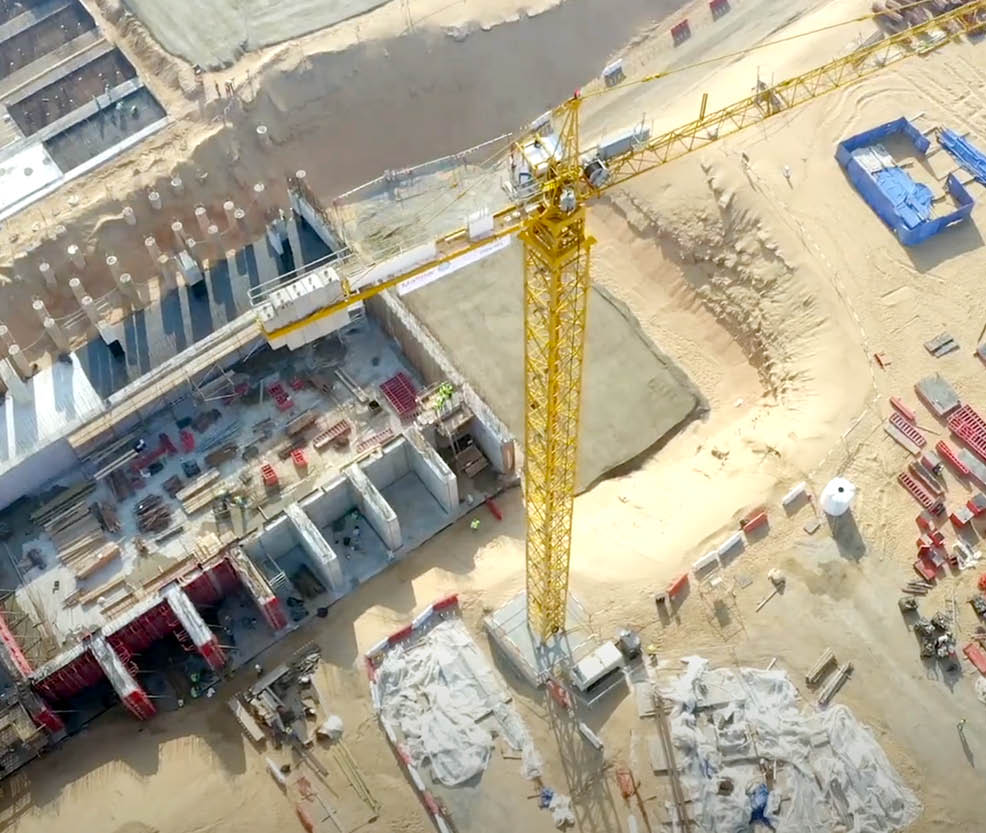
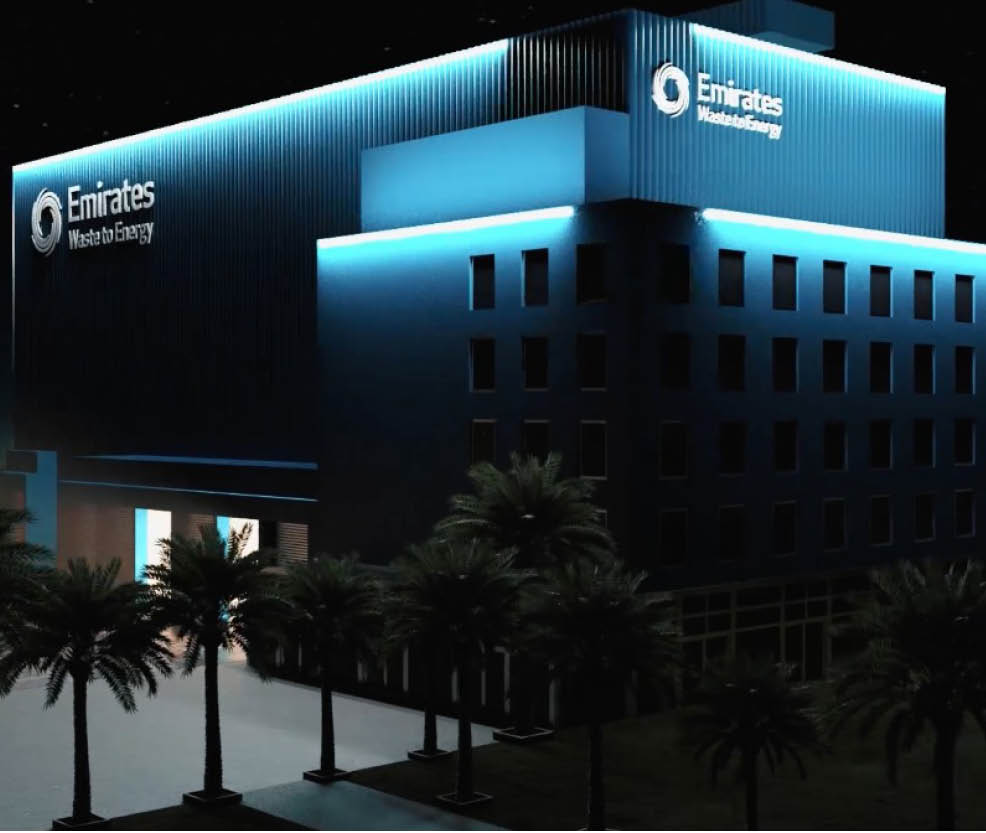
The Sharjah Waste to Energy plant is a landmark development and milestone for the UAE's clean energy and waste diversion ambitions.
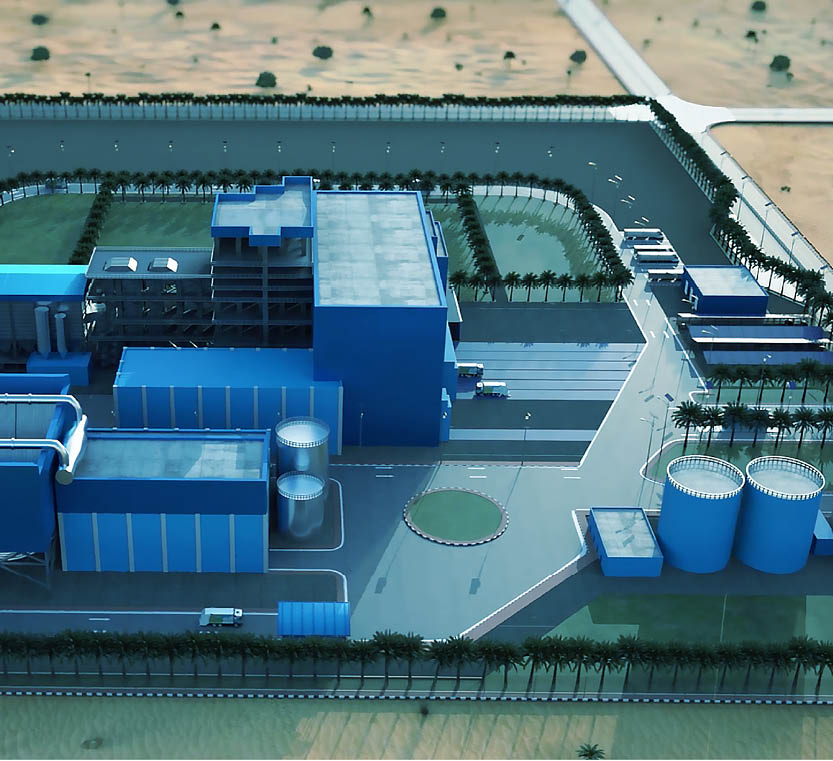
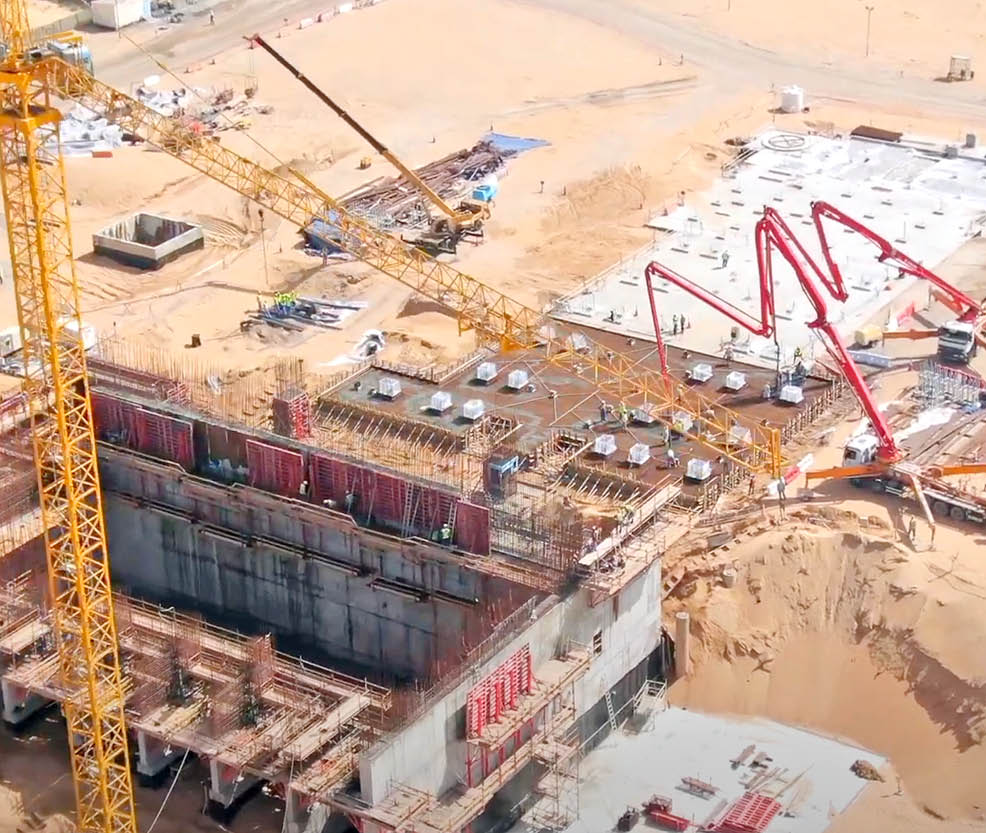
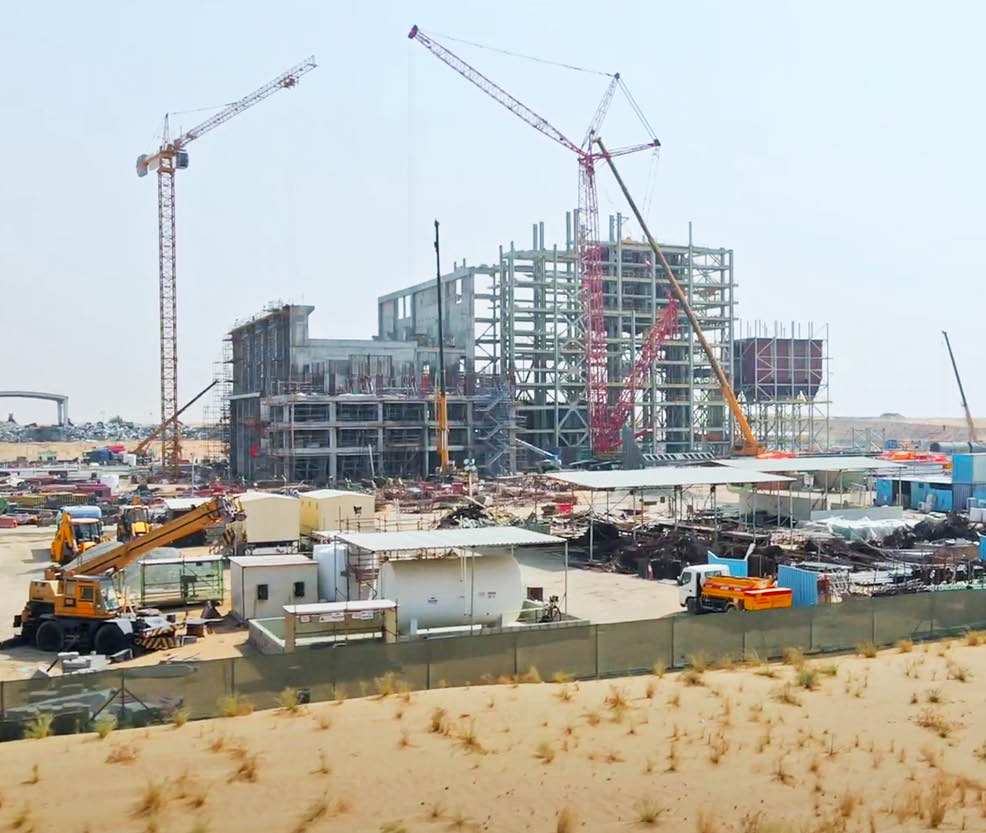
This is an award-winning project built to international standards.
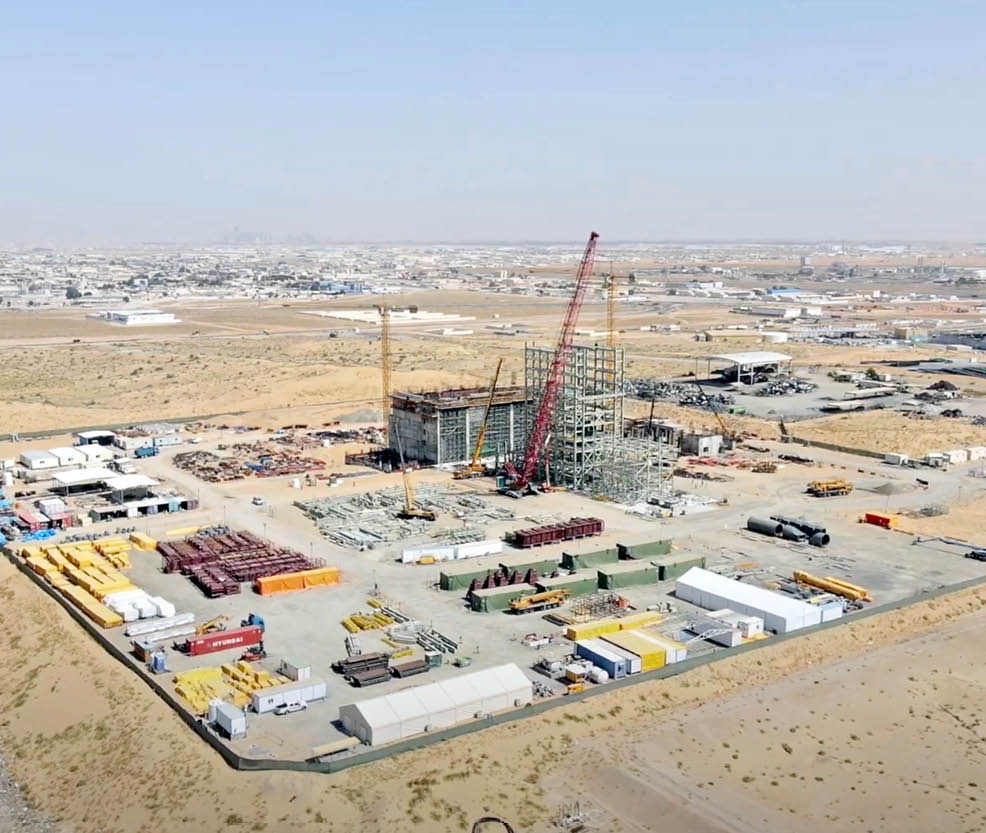
| Area | 80,000 sq. meters |
|---|---|
| Technology | Waste-to-Energy |
| Inaugurated | 2022 |
| Fuel Source | Domestic and Industrial waste |
| Signing Date | January 2017 |
| Ground-breaking Date | 2017 |
| Financial Closure Date | October 2018 |
| Financing | Consortium including Abu Dhabi Fund for Development (ADFD), Standard Charted Bank (SCB), Abu Dhabi Commercial Bank (ADCB), Siemens Financial Services, Sumitomo Mitsui Banking Corporation (SMBC), and Commercial Bank of Dubai (CBD) |
| Contractor | CNIM – a French industrial company |
| Commercial Operation date | 2021 |
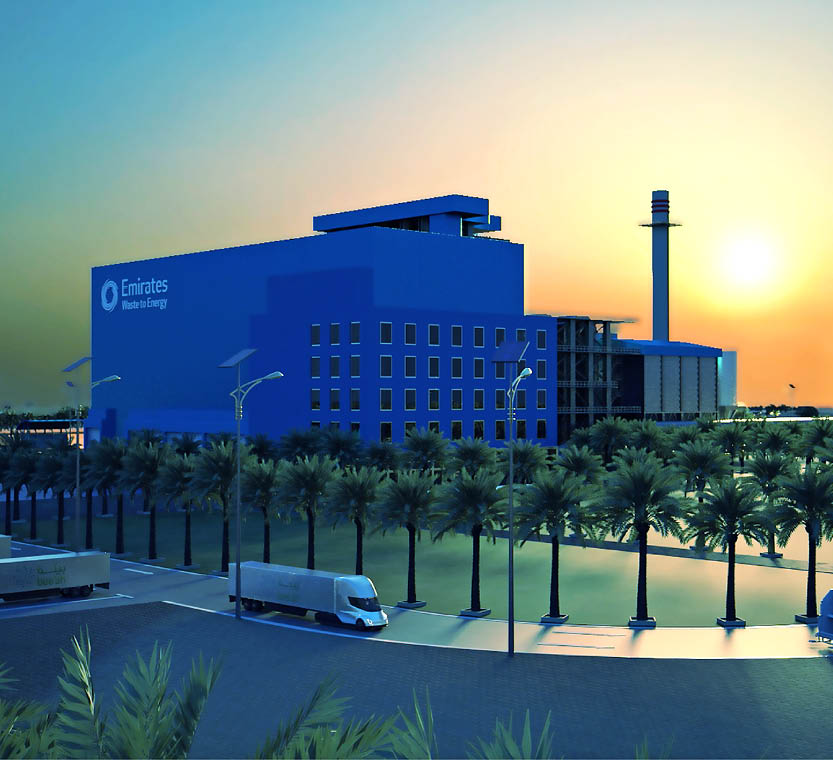
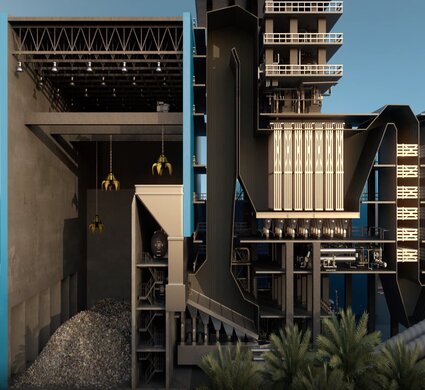
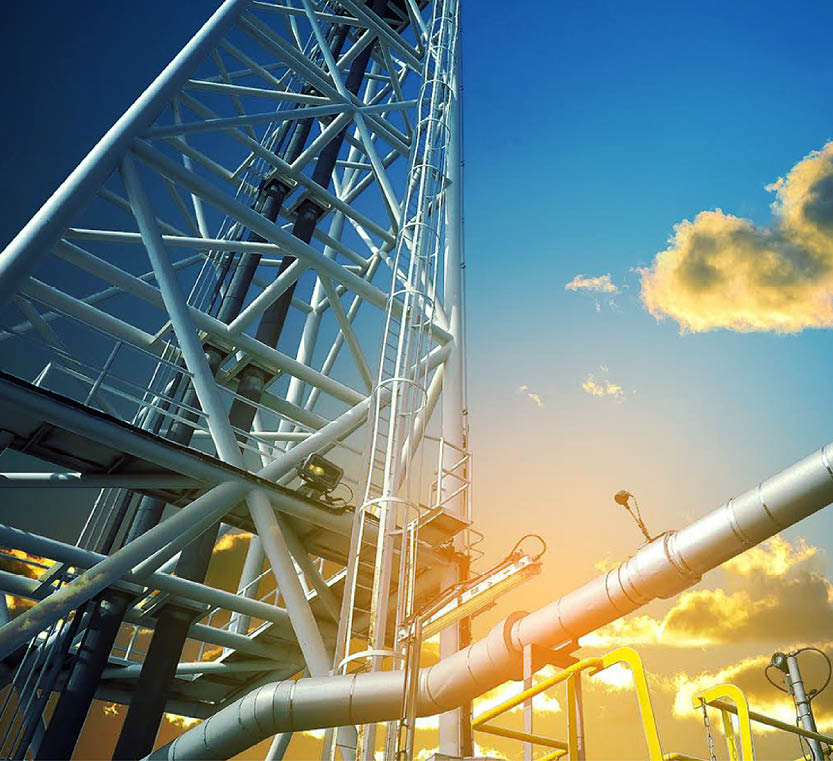
After segregation at BEEAH's Material Recovery Facility, residual hard-to-recycle waste will be sent to the Sharjah Waste to Energy Facility. The waste is then transferred to the boiler, which will recover heat from incinerated waste to produce steam that drives a turbine generator. Bottom ash is discharged and deposited into storage, to be converted into usable recycled materials and flue gas is treated through stringent air pollution controls.
The high-pressure, high-temperature steam is converted into electrical energy through a steam turbine that is connected to a step-up transformer that then transfers the electricity to the grid operated by Sharjah Electricity, Water, and Gas Authority (SEWGA). The remaining steam runs through an air-cooled condenser to transform into water that is reused in the plant again, as part of a closed loop water cycle.
Moreover, the design of the Sharjah Waste to Energy Facility is also unique and takes the site environment into account. There is extensive use of direct air exchange for the mechanical system cooling and boiler cleaning with no water consumption, which is ideal given the scarcity of water in this region.